
Some common question I get asked.
I live in the Northern/Southern Hemisphere. Is this diary for me?
Yes. The moon is universal, no matter where you are on Earth, you are under the same sky. The lunar phases occur at the same time globally, although the moon may appear lit from the opposite side depending on whether you are in the Northern or Southern Hemisphere. The moon graphics in this diary are based on the Southern Hemisphere perspective, but the lunar cycle and its energies are shared worldwide, so you can use it wherever you live.
I'm completely new to using a lunar diary and don't know where to start.
The best place to begin is right where you are. If you’re tracking your cycle, note where you are, if you’re unsure, simply start on the first day of your next cycle. If you don’t menstruate anymore, that’s perfectly fine, you can still begin by tuning in to your body and noticing your energy each day.
When I first started working with the lunar cycle, the simplest thing I did was schedule a monthly massage, but any act of self-care can help your body rest and recharge. Taking a rest day, enjoying a bath, or simply acknowledging the importance of rest is a wonderful place to start. The darker pages in your diary, aligned with the waning crescent, are designed to support you in connecting with the moon’s restful, introspective energy.
What if my cycle doesn’t sync with the moon?
Many women feel their cycle should sync with the moon, for example ovulating at the full moon and menstruating at the new moon, but this isn’t the case for most people.
Every cycle is unique in both timing and length.You might find your cycle aligns with a different moon phase, or even works in opposition to the moon’s energy, such as menstruating at the full moon and ovulating at the new moon. This is completely normal.
The most supportive thing you can do is track your cycle and your energy over time. Patterns often reveal themselves gently, sometimes over months or even years. Cycles are not fixed and they shift as life changes. And If you want to sync more closely with the moon, try going outside every night and connecting with it.
Why are you so interested in following the moon as a time keeper?
What I love about the moon is that it’s a very reliable and universal timekeeper. Many things can influence a woman’s menstrual cycle, such as stress, health, or life stage, but the moon remains constant.
No matter where you are in the world, the moon is in the same phase for all of us. While our individual cycles may vary, we all experience the full moon, new moon, and the shifts in between at the same time each month. This makes the moon a beautiful anchor for living in rhythm with time.
Is it more important to follow your cycle or the moon?
For menstruating women, your own cycle usually has the strongest influence on your energy and emotions, so it’s often more important to listen to that first, with the moon as a secondary guide.
For women who are not menstruating, including those in perimenopause or menopause, the moon’s cycle often becomes more noticeable and influential. There’s no right or wrong here. It’s about noticing what you feel most connected to.
Why does the Moon affect us so much?
The moon creates a gravitational pull on all water on Earth. The tides are the most obvious example. Since our bodies are mostly water, it makes sense that we feel its influence too.
And if you’ve ever tried sleeping under the stars during a full moon, you’ll know how powerful that bright lunar light can be.
What if I can’t rest when my body is calling me?
We live in the modern world, and it’s not always possible to rest exactly when our bodies ask for it. Awareness is the key. If you know you’re in a phase that calls for rest, try to conserve your energy where you can and soften your expectations of yourself.
When rest is continually ignored, it can show up later as exhaustion, anxiety, or low mood, sometimes even during phases when your energy would usually feel higher. As soon as you can, gently schedule some time to restore.
I don't menstruate anymore, can I use the Lunar Diary?
Absolutely. Many women find that once menstruation ends, working with the lunar cycle becomes simpler. Without the menstrual cycle as the primary influence, the moon’s rhythm can become a clear and supportive guide for energy, rest, and reflection.
Can men use a Lunar Diary?
Yes, absolutely. Men can benefit from working with lunar time too. While men generally have a more consistent 24-hour energy cycle, which aligns more easily with modern, day-to-day productivity, the moon can still offer a valuable rhythm for reflection and awareness.
Many men enjoy using the lunar cycle as a guide for journaling, checking in with themselves, or marking moments of release and reflection around the full moon. Working with the moon isn’t about changing how you function, but about creating space to pause, reflect, and connect with a broader sense of time.
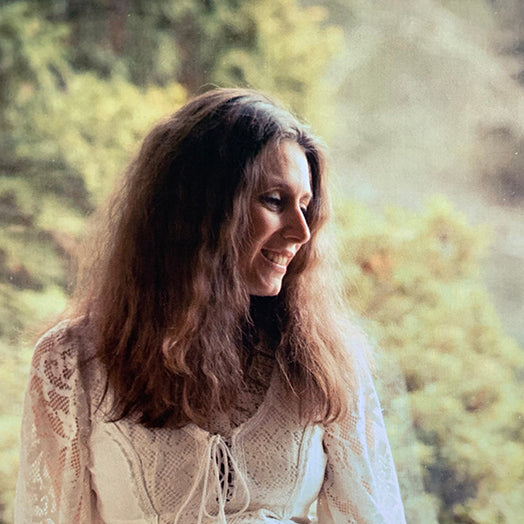
Nadiah Christensen
"I was amazed by how much energy returned when I shifted away from the modern linear time model and began to follow natural cycles. Connecting to the lunar cycle feels so natural because the energy of the moon mirrors our own. For example, the heightened energy of the full moon resonates with our own increased vitality, while the reflective energy of the dark/new moon aligns with our need for rest and introspection. Embracing this rhythm has been truly transformative."